
Roasted Butternut Squash Soup

A velvety roasted butternut squash soup with caramelized shallots, garlic, maple, and warming spices — simple to make, comforting to share.
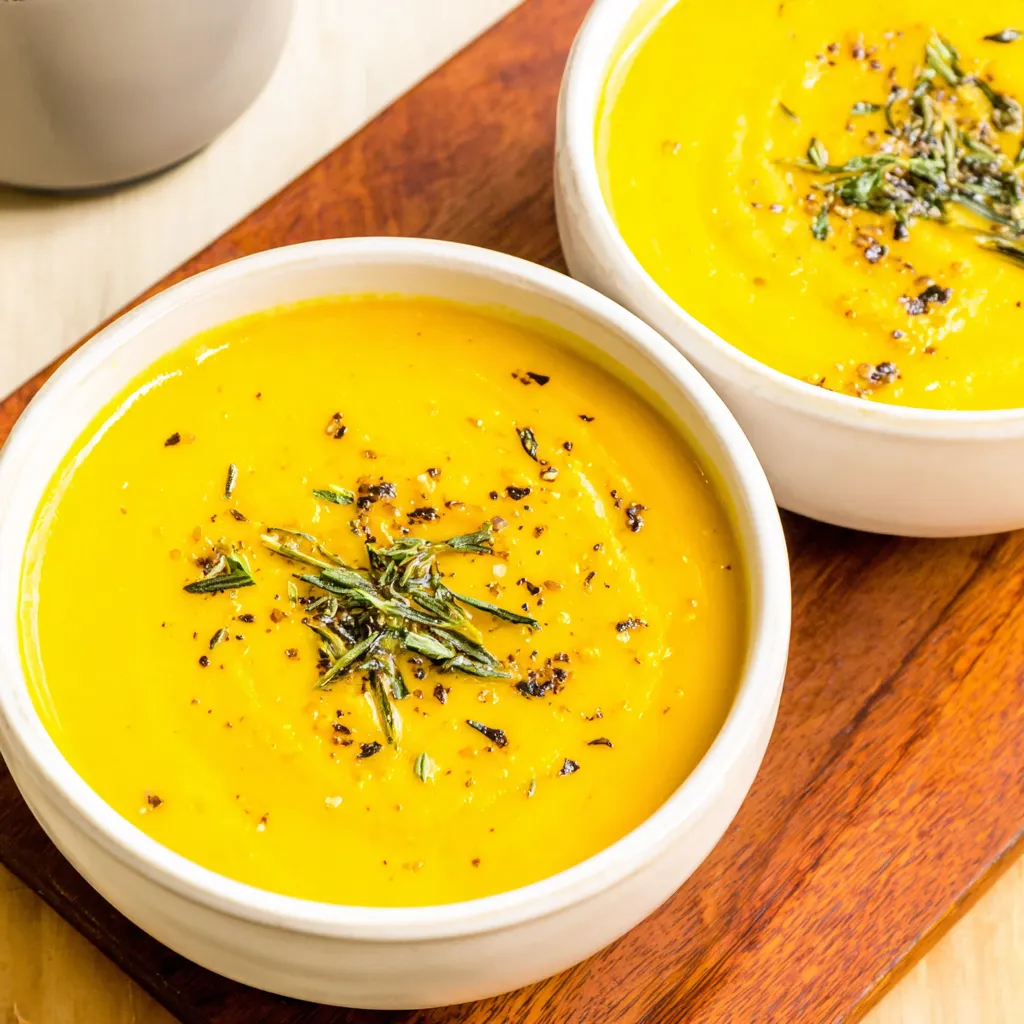
Why You'll Love This Recipe
- Roasting the squash at 425 degrees Fahrenheit concentrates natural sugars so the soup tastes deeper and more complex with minimal added sweetener.
- Ready in about 60 minutes from start to finish with hands-on time under 20 minutes — great for weeknights and last-minute guests.
- Uses pantry staples and easily accessible produce: butternut squash, shallot, garlic, vegetable broth, and a touch of maple syrup.
- Make-ahead friendly: the base keeps for several days in the refrigerator and freezes well for up to three months.
- Customizable for diets: omit butter for dairy-free, use chicken broth for extra body, or add cream for a richer finish.
- Crowd-pleasing texture — silky, warming, and comforting — while staying light enough as a starter or satisfying as a main with bread.
I first served this to my neighbors after a snowstorm; they arrived with shovel work done and left with thermoses full. My older daughter declared it the only acceptable way to eat squash, and my husband always asks for extra cracked black pepper on top. Over the years I’ve learned small tricks — roast a little longer for caramelized bits, and use a splash of butter or olive oil at the end to add sheen and mouthfeel — that make this bowl something everyone wants to replicate at home.
Ingredients
- Butternut squash: One large squash (about 3 pounds), halved and seeded. Pick a firm squash with matte skin for mature, sweet flesh; younger squash can be watery.
- Olive oil: Use extra-virgin olive oil for roasting and finishing. A tablespoon plus small drizzles enhances caramelization and flavor.
- Shallot: 1/2 cup chopped (about 1 large shallot). Shallots add a sweet, oniony base without overpowering the squash.
- Salt and pepper: 1 teaspoon kosher salt for the shallot and more to taste; freshly ground black pepper to finish for bite.
- Garlic: 4 cloves, pressed or minced. Garlic should be just fragrant — avoid browning in the pan to keep flavors clean.
- Maple syrup: 1 teaspoon. A small amount amplifies roasted sweetness; use real maple for the best aroma.
- Nutmeg: 1/8 teaspoon ground. A pinch warms the palate without becoming cloying — freshly grated is ideal.
- Vegetable broth: 3 to 4 cups (24 to 32 ounces). Use low-sodium if you prefer control over saltiness; add more to thin the texture.
- Butter: 1 to 2 tablespoons, optional. Adds silkiness and sheen; use cultured butter or olive oil for dairy-free variation.
Instructions
Roast the squash: Preheat oven to 425 degrees Fahrenheit and line a rimmed baking sheet with parchment paper. Place halved squash cut side down, drizzle approx 1/2 teaspoon olive oil inside each half, and season with salt and pepper. Roast until fork tender and the flesh is easily scraped, about 40 to 50 minutes; the browning on the edges deepens flavor. Let cool 10 minutes before handling to avoid steam burns. Sauté aromatics: While the squash roasts, warm 1 tablespoon olive oil in a large soup pot over medium heat until shimmering. Add chopped shallot and 1 teaspoon salt, cooking 3 to 4 minutes until softened and beginning to color. Add pressed garlic and cook 30 to 60 seconds until fragrant, stirring constantly to prevent burning. These steps build the savory backbone of the soup. Blend until silky: Transfer sautéed shallot and garlic to a blender or keep in the pot if using an immersion blender. Scoop roasted squash flesh into the blender, discard the tough skin, and add 1 teaspoon maple syrup, 1/8 teaspoon nutmeg, and a few twists of black pepper. Pour in 3 cups vegetable broth, making sure not to exceed the blender’s max fill; work in batches if needed. Secure lid and blend on high until ultra creamy and warm. If using an immersion blender, combine everything in the pot and blend directly. Adjust and finish: For a thinner consistency, stir in the remaining cup of broth a little at a time. Add 1 to 2 tablespoons butter or a drizzle of olive oil for added richness; blend again to emulsify. Taste and season with additional salt and pepper. If the soup cooled during blending, return it to the pot and gently rewarm over medium heat until steaming — do not boil. Serve: Ladle into warmed bowls and finish with extra cracked black pepper and a tiny pat of butter or a drizzle of olive oil. Serve with crusty bread or a green salad for a complete meal.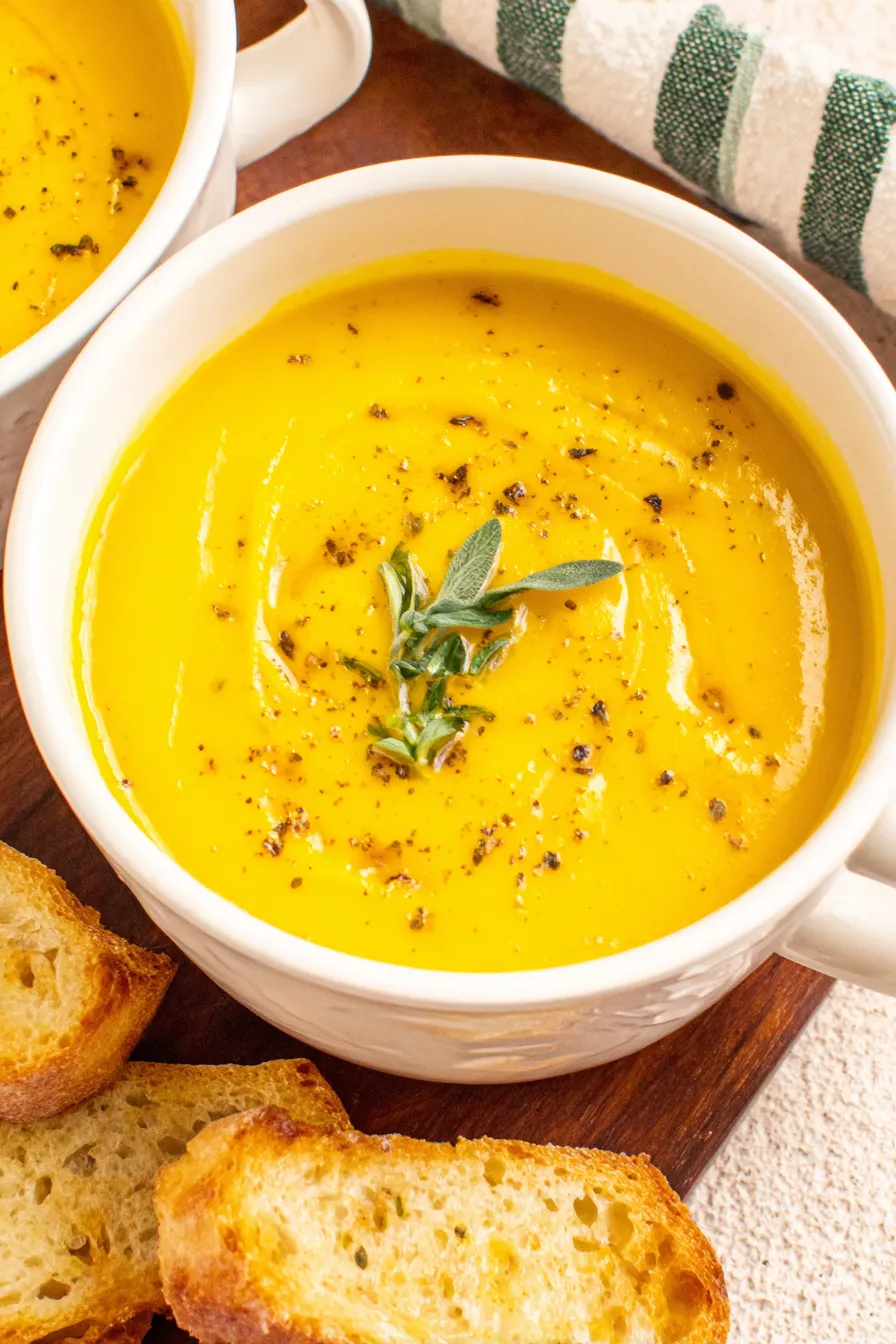
You Must Know
- This soup is naturally high in beta-carotene and fibre thanks to the squash, making it a nutritious, vitamin-rich option.
- It freezes well for up to three months in airtight containers; thaw overnight in the refrigerator and reheat gently on the stove.
- Use low-sodium broth to control salt, and finish with butter or olive oil based on dietary needs.
- Keep an eye on blender fill levels when working with hot liquids — blend in batches and vent carefully to avoid pressure build-up.
My favorite part is the aroma that fills the house as the squash roasts — it’s the scent of autumn and simple comfort. Friends often tell me that the roasted edges and caramel notes are what set this apart from boiled squash purées; those toasted bits add a savory depth that makes each spoonful layered and satisfying. It’s a reliably cozy choice for family dinners and a gentle introduction to seasonal produce for kids.
Storage Tips
Let the soup cool to room temperature before storing. Transfer to airtight containers and refrigerate for up to 4 days. For longer storage, portion into freezer-safe containers or heavy-duty freezer bags leaving headspace for expansion; freeze up to 3 months. Reheat from frozen by thawing overnight in the fridge then warming gently on the stove over medium-low heat, stirring occasionally. Avoid high heat to prevent separation. Re-whisk or add a small splash of broth or a teaspoon of butter when reheating to restore a velvety texture.
Ingredient Substitutions
If you want dairy-free, skip the butter at the end and finish with a tablespoon of extra-virgin olive oil or a spoonful of coconut cream for a slightly tropical note. For a richer mouthfeel, replace part of the broth with full-fat coconut milk or heavy cream, but reduce maple syrup slightly. Swap shallot for a small yellow onion if needed — cook a little longer to develop sweetness. Use chicken broth instead of vegetable for extra depth; reduce added salt if your broth is not low-sodium.
Serving Suggestions
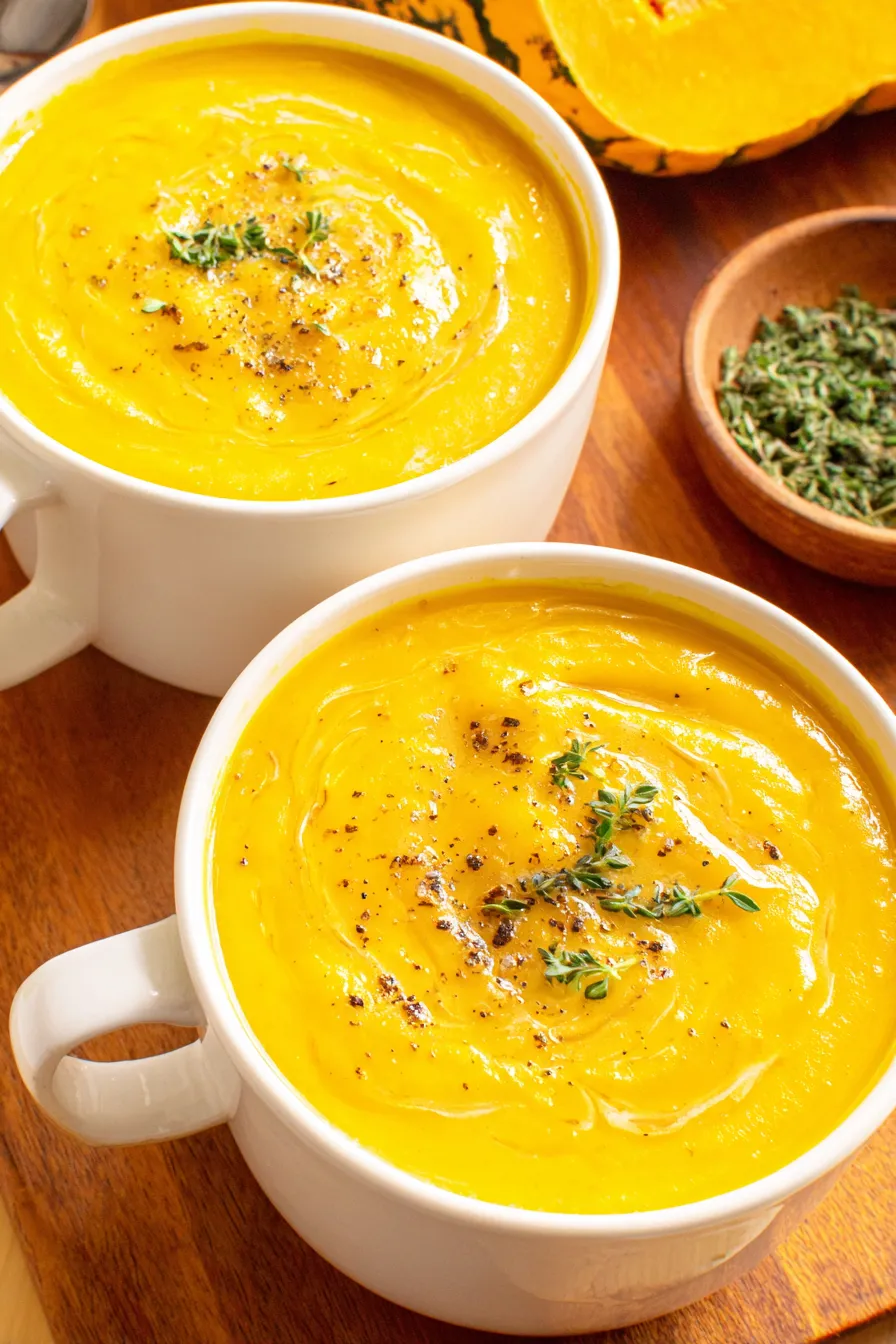
Serve with crusty sourdough or seeded bread for dunking and a crisp green salad dressed simply with lemon and olive oil. For a heartier meal, top with toasted pumpkin seeds, a swirl of crème fraîche, or cooked shredded rotisserie chicken. Garnish with fresh herbs like chives or thyme for brightness. This soup makes an elegant starter for holiday meals and pairs nicely with roasted root vegetables or a composed grain salad for seasonal dinners.
Cultural Background
Squash has been a staple in North American diets for centuries, originally cultivated by Indigenous peoples long before European contact. Roasting to enhance natural sweetness is a technique common across many cuisines that highlight fall harvests. This simple, spiced purée draws on the broad tradition of vegetable soups worldwide — from European veloutés to Latin American calabaza blends — and adapts easily to local ingredients, which is why this bowl feels both familiar and globally resonant.
Seasonal Adaptations
In late autumn, add a spoonful of roasted apple butter or swap maple for a light brown sugar to emphasize orchard flavors. In winter, stir in a little chipotle in adobo for smokiness and heat. Spring and summer invite lighter twists: dilute with extra broth and finish with lemon zest and fresh basil for brightness, turning the bowl into a lighter seasonal purée that still celebrates squash if you use stored winter varieties.
Meal Prep Tips
Roast several squash halves at once and store the flesh in portioned containers for quick weekday bowls. The base freezes well in 2-cup portions — perfect to thaw and reheat for lunches. Keep toasted seeds, croutons, or herb oil ready in the fridge to dress a bowl quickly, and pre-measure spices so finishing is effortless. Use a food processor for quick blending when feeding a crowd, or an immersion blender when minimizing dishes matters most.
This soup is reliably simple, full of flavor, and endlessly adaptable — I encourage you to make it your own and enjoy the warmth it brings to the table.
Pro Tips
Roast the squash cut-side down to trap steam and cook the flesh evenly while encouraging caramelized edges.
Blend hot liquids in small batches and vent the lid or use a towel to prevent pressure buildup.
Finish with a small amount of fat (butter or oil) to give the soup a glossy, silky texture and richer mouthfeel.
Use low-sodium broth so you can control seasoning, and add salt at the end for best accuracy.
This nourishing roasted butternut squash soup recipe is sure to be a staple in your kitchen. Enjoy every moist, high protein slice — it is perfect for breakfast or as a wholesome snack any time.
FAQs about Recipes
Can I freeze this soup?
Yes — the soup freezes well for up to three months. Thaw overnight in the refrigerator and reheat gently on the stove, adding a splash of broth if needed.
How do I control the salt level?
Use low-sodium vegetable broth and taste before adding salt. Adjust seasoning after blending because concentrated flavors can change.
What are common substitutions?
You can substitute yellow onion for shallot, use olive oil in place of butter, and replace maple syrup with honey if preferred.
Tags
Roasted Butternut Squash Soup
This Roasted Butternut Squash Soup recipe makes perfectly juicy, tender, and flavorful steak every time! Serve with potatoes and a side salad for an unforgettable dinner in under 30 minutes.
Ingredients
Squash
Aromatics
Seasonings
Liquids & Fats
Instructions
Preheat and roast
Preheat oven to 425°F. Line a rimmed baking sheet with parchment. Place halved squash cut-side down, drizzle about 1/2 teaspoon olive oil in each half, season with salt and pepper, and roast 40–50 minutes until fork tender. Let cool 10 minutes.
Sauté shallot and garlic
Warm 1 tablespoon olive oil in a large pot over medium heat. Add chopped shallot and 1 teaspoon salt; sauté 3–4 minutes until softened and lightly golden. Add garlic and cook 30–60 seconds until fragrant. Remove from heat and transfer to blender or leave in pot for immersion blending.
Blend with broth
Scoop squash flesh into blender, discard skins. Add maple syrup, nutmeg, black pepper, and 3 cups vegetable broth. Blend in batches on high until extremely smooth and warmed through. Take care when blending hot liquids.
Adjust texture and finish
Stir in remaining broth if needed to thin. Add 1–2 tablespoons butter or olive oil and blend to emulsify. Taste and season with extra salt and pepper. Rewarm gently on the stove if necessary before serving.
Last Step: Please leave a rating and comment letting us know how you liked this recipe! This helps our business to thrive and continue providing free, high-quality recipes for you.
Nutrition
Did You Make This?
Leave a comment & rating below or tag
@cravele on social media!
Categories:
You might also like...

Fudgy Marshmallow Brownies
Ultra-fudgy brownies studded with chocolate chunks, crowned with gooey marshmallows and a quick cocoa icing for irresistible, crowd-pleasing decadence.
Buttery Pecan Pie Bars
Buttery shortbread crust topped with a gooey brown sugar pecan filling. Easy, crunchy, and truly irresistible with just 10 minutes of prep.

Silky No-Crack Pumpkin Cheesecake
Silky pumpkin cheesecake with a spiced graham crust, no cracks, effortless mixing, and decadent caramel and rum whipped cream for unforgettable holiday celebrations.
Did You Make This?
Leave a comment & rating below or tag @cravele on social media!
Rate This Recipe
Share This Recipe
Enjoyed this recipe? Share it with friends and family, and don't forget to leave a review!
Comments (1)
This recipe looks amazing! Can't wait to try it.
Comments are stored locally in your browser. Server comments are displayed alongside your local comments.

Hi, I'm Emily!
What's Popular
30-Minute Meals!
Join to receive our email series which contains a round-up of some of our quick and easy family favorite recipes.