>>

Tender slices of pork tenderloin seared to golden perfection and finished in a silky white wine cream sauce—quick to make and elegant enough for guests.
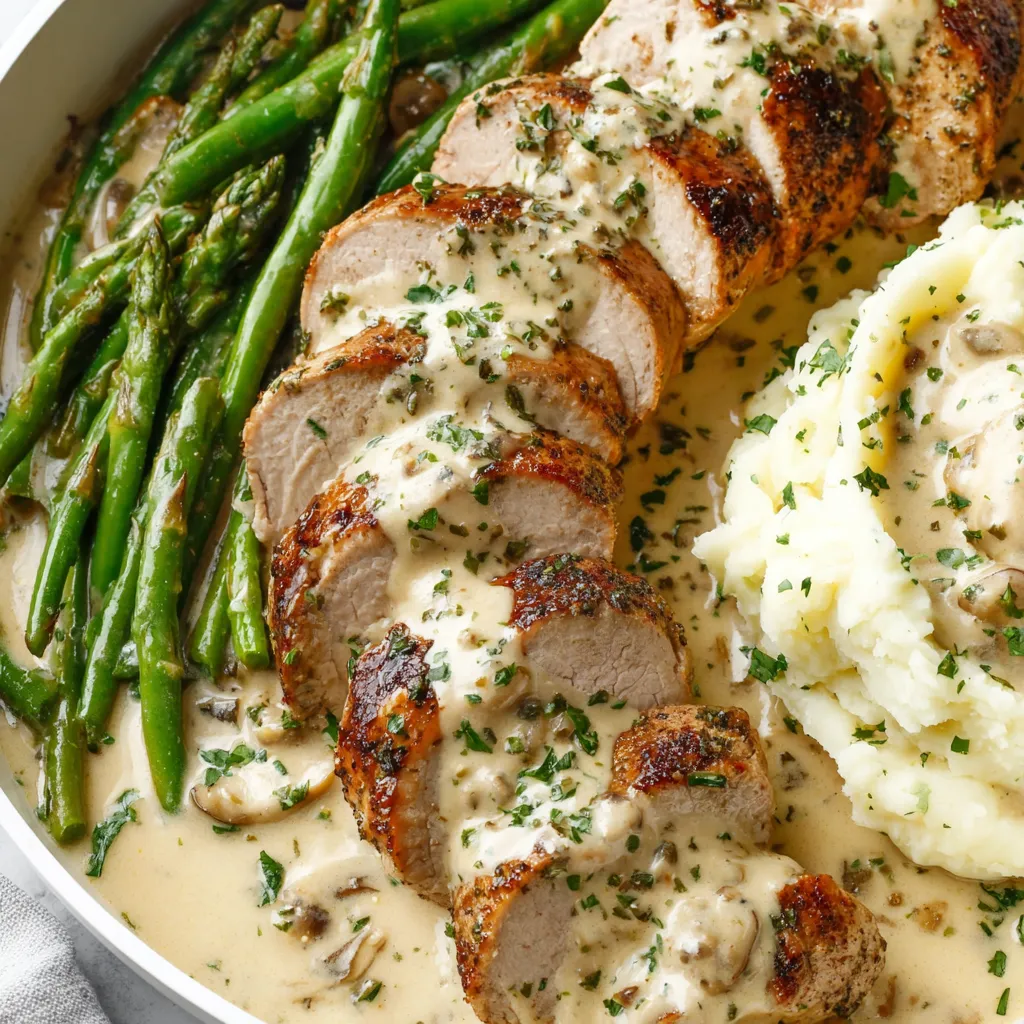
This creamy white wine pork tenderloin is one of those recipes I reach for when I want something that feels special but doesn’t demand a weekend commitment. I first developed this version the night before a small dinner party when my guests arrived earlier than expected and I needed to turn a simple pork tenderloin into something memorable. The seared rounds keep their juiciness while the sauce—made with dry white wine and heavy cream—adds a luxuriously smooth finish. The texture is a pleasing contrast: the pork develops a light golden crust on the outside while remaining tender inside, and the sauce clings to each slice without becoming heavy.
What makes this dish a keeper is how forgiving it is. The timing allows for short resting between searing and finishing in the pan, and the sauce adapts easily to what you have on hand—use chicken broth in place of water, or swap Herbs de Provence for Italian seasoning. I love serving it on weeknights because it comes together in about 30 minutes, and yet I’ve also plated it for Sunday guests when I want to impress without fuss. Family and friends have called it both comforting and restaurant-worthy; one cousin even asked for the recipe and the name of the wine I used.
Personally, this dish became part of my weeknight rotation after I learned to watch the pan temperature closely. A hot skillet gives a golden sear without overcooking the center, and reducing the wine deeply before adding cream concentrates flavor without making the sauce boozy. My family always asks for seconds when I pair this with buttery mashed potatoes or simple buttered pasta.
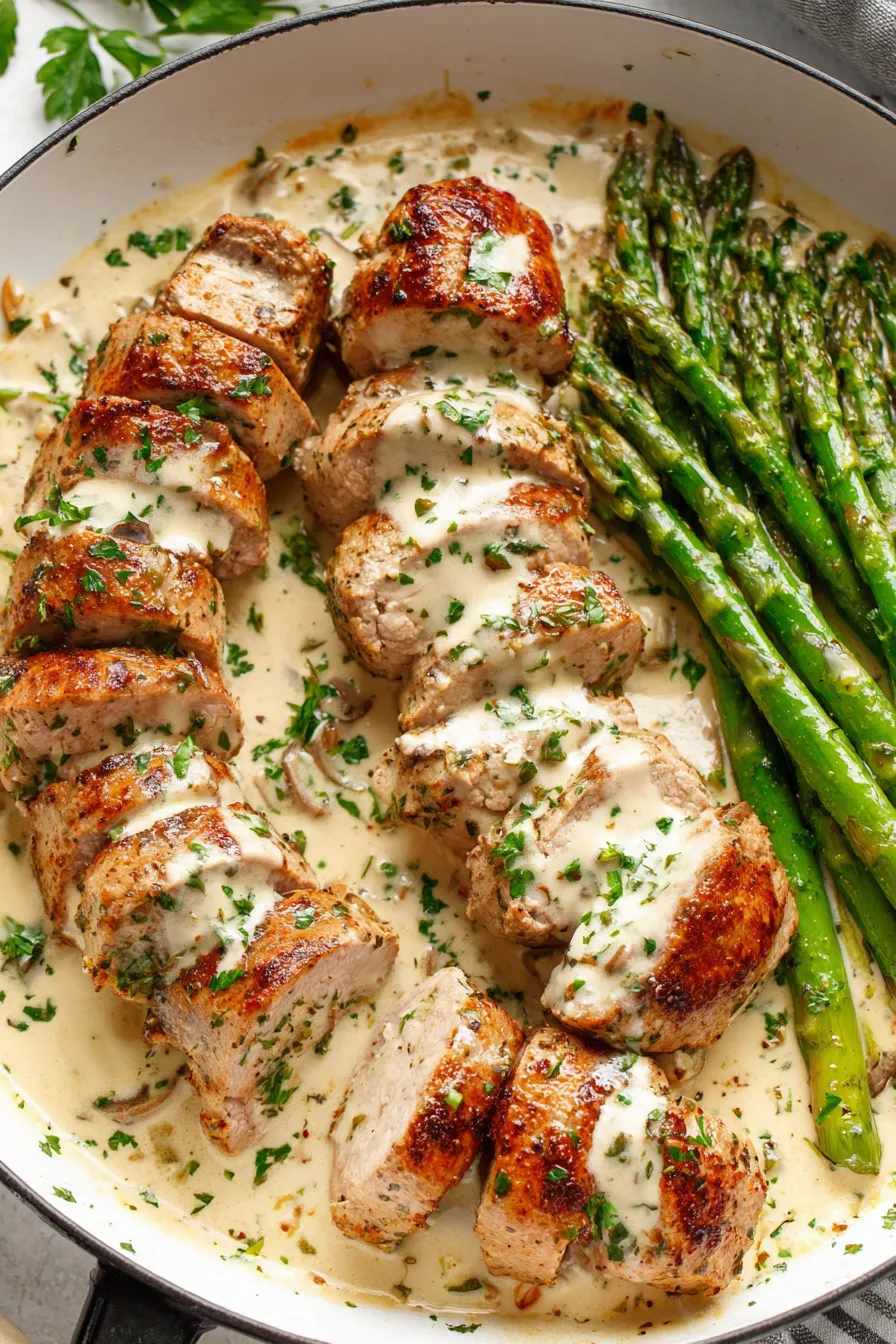
My favorite aspect of this dish is how it translates across occasions. I’ve made it for quiet weeknight dinners when I needed something fast and for casual dinner parties where I wanted a comforting centerpiece. Guests often tell me the sauce tastes like it belongs in a bistro, and I credit the quick wine reduction and high-quality cream for that effect.
Store leftovers in an airtight container in the refrigerator for up to 3 days. For best texture, separate the pork from large pools of sauce if you plan to reheat; this prevents over-softening. To freeze, place pork and sauce in a freezer-safe container leaving an inch of headroom and freeze up to 3 months. Reheat slowly in a covered skillet over low heat or in a 325°F oven until warmed through; add a splash of chicken broth if the sauce tightens too much. Avoid microwaving at full power, which can cause the cream to separate.
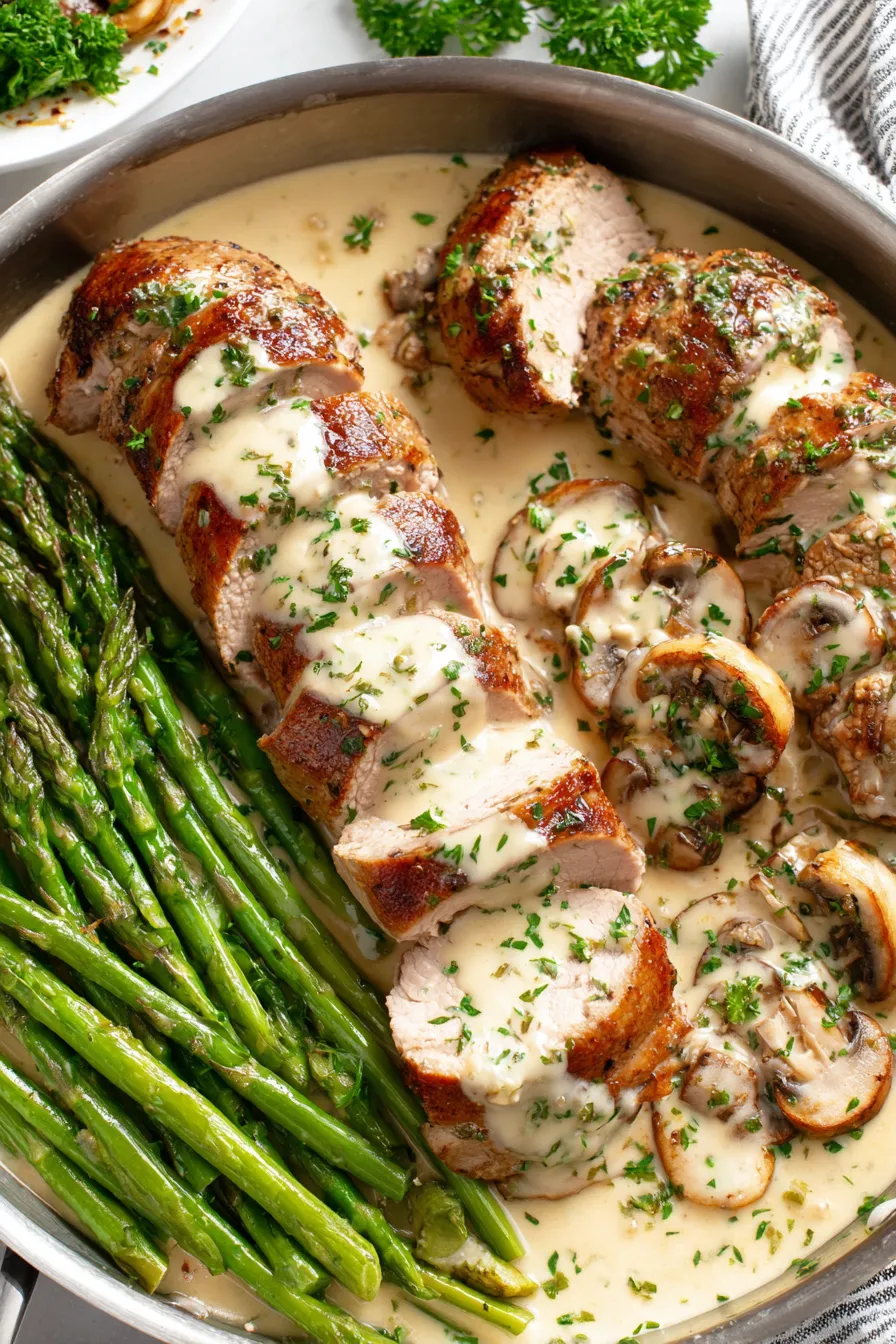
If you prefer a lighter finish, substitute half-and-half for heavy cream but reduce the wine further to avoid a thin sauce. For a gluten-free thickener alternative, use arrowroot in the same amount as cornstarch. If you don’t have white wine, replace it with an additional 1/2 cup of low-sodium chicken broth plus 1 tablespoon of white wine vinegar to introduce acidity. Thyme or tarragon also pair beautifully in place of Italian seasoning—use the same 1/4 teaspoon quantity.
Serve the pork over creamy mashed potatoes, buttered egg noodles, or a bed of polenta to soak up the sauce. For a lighter plate, pair with roasted Brussels sprouts or a lemony arugula salad. Garnish with extra chopped parsley and a twist of lemon zest when serving to add brightness. This dish also works well as an elegant main for holiday menus or an intimate dinner for two.
This preparation draws on classic European bistro techniques—quickly searing high-quality meat and finishing in a wine reduction enriched with cream is common in French-inspired cooking. While pork tenderloin is often associated with weeknight simplicity in American kitchens, the technique elevates it into something reminiscent of brasserie cuisine. The use of dry white wine and fresh herbs nods to continental flavor profiles and demonstrates how minimal ingredients can produce layered results.
In spring and summer, add a handful of fresh peas or asparagus tips to the pan in the last few minutes for color and texture. In autumn and winter, stir in a tablespoon of Dijon mustard or a splash of apple cider for seasonal warmth. For holiday entertaining, finish with a sprinkle of toasted walnuts or a few sautéed mushrooms to make the dish heartier.
For meal prep, sear the pork and store it separately from the sauce. When ready to eat, rewarm the sauce and add seared slices until heated through—this prevents overcooking. Portion into microwave-safe containers if packing lunches and include a small container of sauce to add at serving time. Use shallow, wide containers to cool quickly before refrigerating and label with the date.
Whether you make this for a quick family dinner or a small gathering, the dish rewards careful searing and a mindful reduction. Try using a good dry white wine and high-quality cream for the best results, and don’t rush the final simmer—the sauce transforms when it thickens just enough to coat the pork. Enjoy the process and the warm, comforting results.
Pat the pork dry before searing to ensure a proper Maillard crust and better flavor development.
Reduce the wine more than halfway before adding cream to remove most alcohol and concentrate flavor.
Check doneness with an instant-read thermometer; pull at 145°F and rest 3 to 5 minutes for juicy results.
If the sauce becomes too thick after refrigeration, whisk in a tablespoon of warm chicken broth to loosen it.
This nourishing creamy white wine pork tenderloin recipe is sure to be a staple in your kitchen. Enjoy every moist, high protein slice — it is perfect for breakfast or as a wholesome snack any time.
This Creamy White Wine Pork Tenderloin recipe makes perfectly juicy, tender, and flavorful steak every time! Serve with potatoes and a side salad for an unforgettable dinner in under 30 minutes.
Trim silver skin and excess fat from the tenderloin, then slice into 1-inch rounds. Pat dry with paper towels and season both sides with salt and pepper.
Heat a skillet over medium-high heat with olive oil and butter until hot. Sear pork rounds 3 minutes per side until lightly golden, working in batches if needed. Transfer to a plate and tent with foil.
Add minced garlic and herbs to the skillet, then pour in the white wine and chicken broth. Scrape up browned bits and let the liquid reduce by more than half, about 3–5 minutes.
Mix cornstarch with 2 teaspoons cold water until smooth. Reduce heat to medium, add heavy cream to the pan, then whisk in the cornstarch slurry until the sauce thickens slightly.
Return the seared pork to the skillet, simmer 3–5 minutes until pork reaches 145°F and sauce coats the meat. Adjust seasoning and garnish with chopped parsley before serving.
Last Step: Please leave a rating and comment letting us know how you liked this recipe! This helps our business to thrive and continue providing free, high-quality recipes for you.
Leave a comment & rating below or tag
@cravele on social media!

Ultra-fudgy brownies studded with chocolate chunks, crowned with gooey marshmallows and a quick cocoa icing for irresistible, crowd-pleasing decadence.

Buttery shortbread crust topped with a gooey brown sugar pecan filling. Easy, crunchy, and truly irresistible with just 10 minutes of prep.

Silky pumpkin cheesecake with a spiced graham crust, no cracks, effortless mixing, and decadent caramel and rum whipped cream for unforgettable holiday celebrations.
Leave a comment & rating below or tag @cravele on social media!
Enjoyed this recipe? Share it with friends and family, and don't forget to leave a review!
This recipe looks amazing! Can't wait to try it.
Comments are stored locally in your browser. Server comments are displayed alongside your local comments.

Join to receive our email series which contains a round-up of some of our quick and easy family favorite recipes.