>>

Bright, glassy hard candies flavored with anise, lemon, or orange—simple ingredients, timeless technique, and a perfect homemade treat.
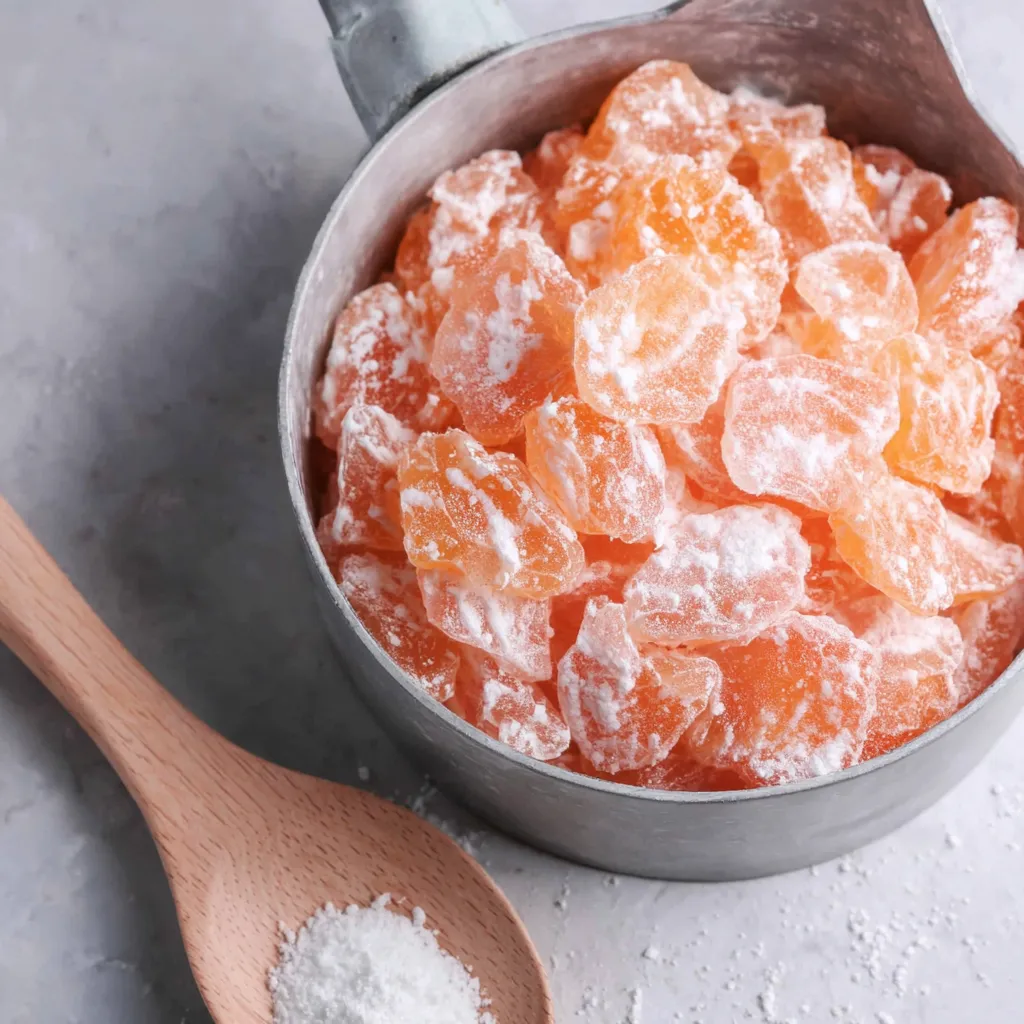
This homemade hard candy recipe has been my kitchen’s little laboratory of nostalgia. I first tried this exact technique one winter afternoon when I wanted a small, do-able candy project that didn’t require tempering chocolate or complicated equipment. The result was pure, glassy pieces with brittle snap and a concentrated flavor that carried me straight back to the candies my grandmother used to tuck into holiday tins. It’s the kind of recipe that rewards attention—watch the thermometer, move quickly, and you’ll get jewel-like candies that are both festive and utterly satisfying.
What makes this preparation special is its simplicity and control: three pantry ingredients for the base and a handful of finishing choices let you customize color and flavor without fuss. The texture is brittle and clear when done right; the surface can be glossy or frosted depending on how much confectioners’ sugar you use when finishing. I remember handing a plate of freshly cut pieces to my skeptical teenager; she polished off half the batch before dinner and asked when I’d make more. This method also scales comfortably and is an excellent weekend project when you want something handmade to gift.
In my experience this technique is forgiving if you follow the temperature rule and finish with confectioners’ sugar to prevent sticking. Family and friends always appreciate the bright colors and bold flavors; at potlucks these often disappear first because they look like little glass gems.
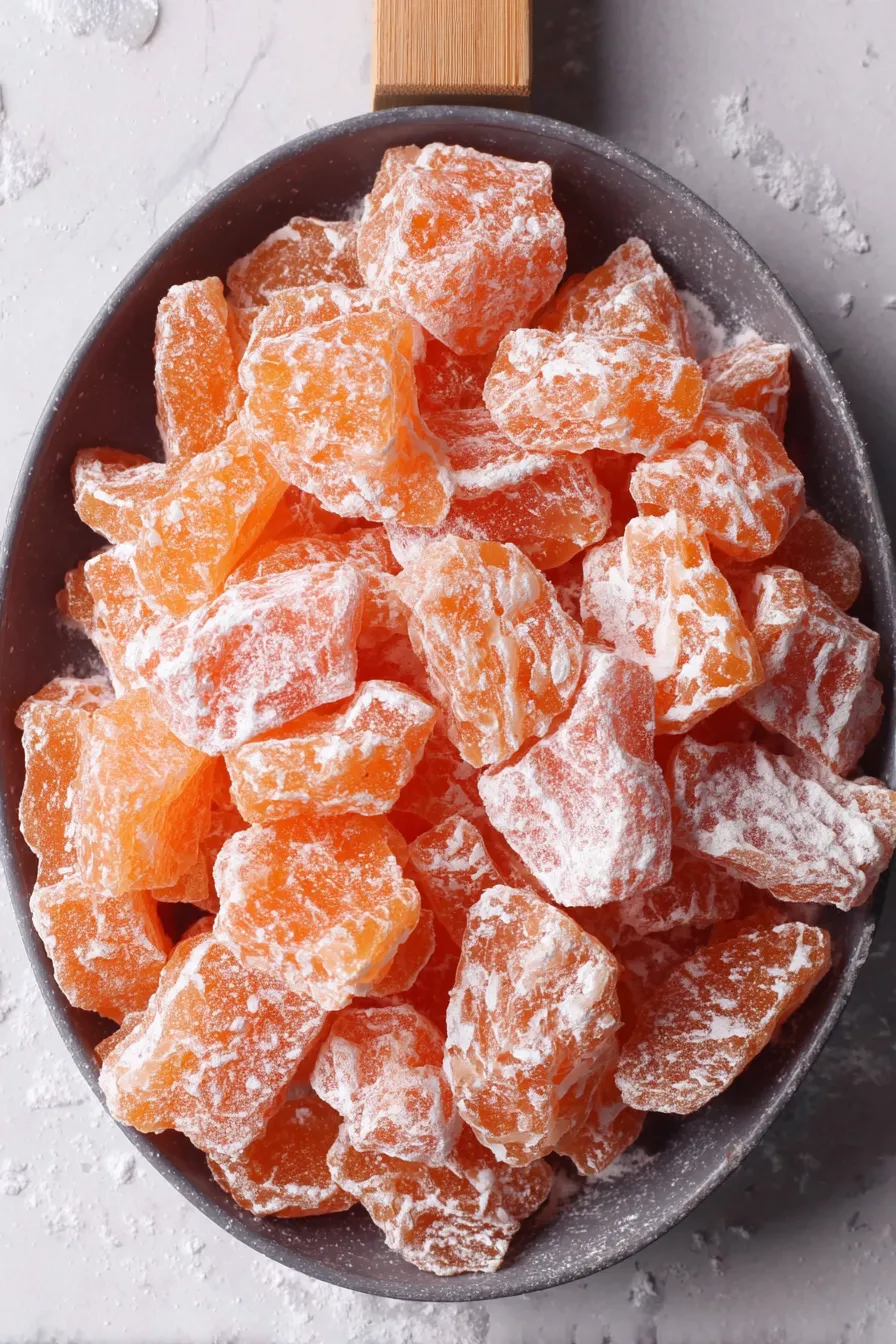
My favorite part is the satisfying, glassy snap and the way the flavors concentrate—lemon pieces cut right through sugar sweetness with a bright finish. I’ve given these out at neighborhood gatherings and watched them become an instant hit: people always comment on how much like vintage candy they taste.
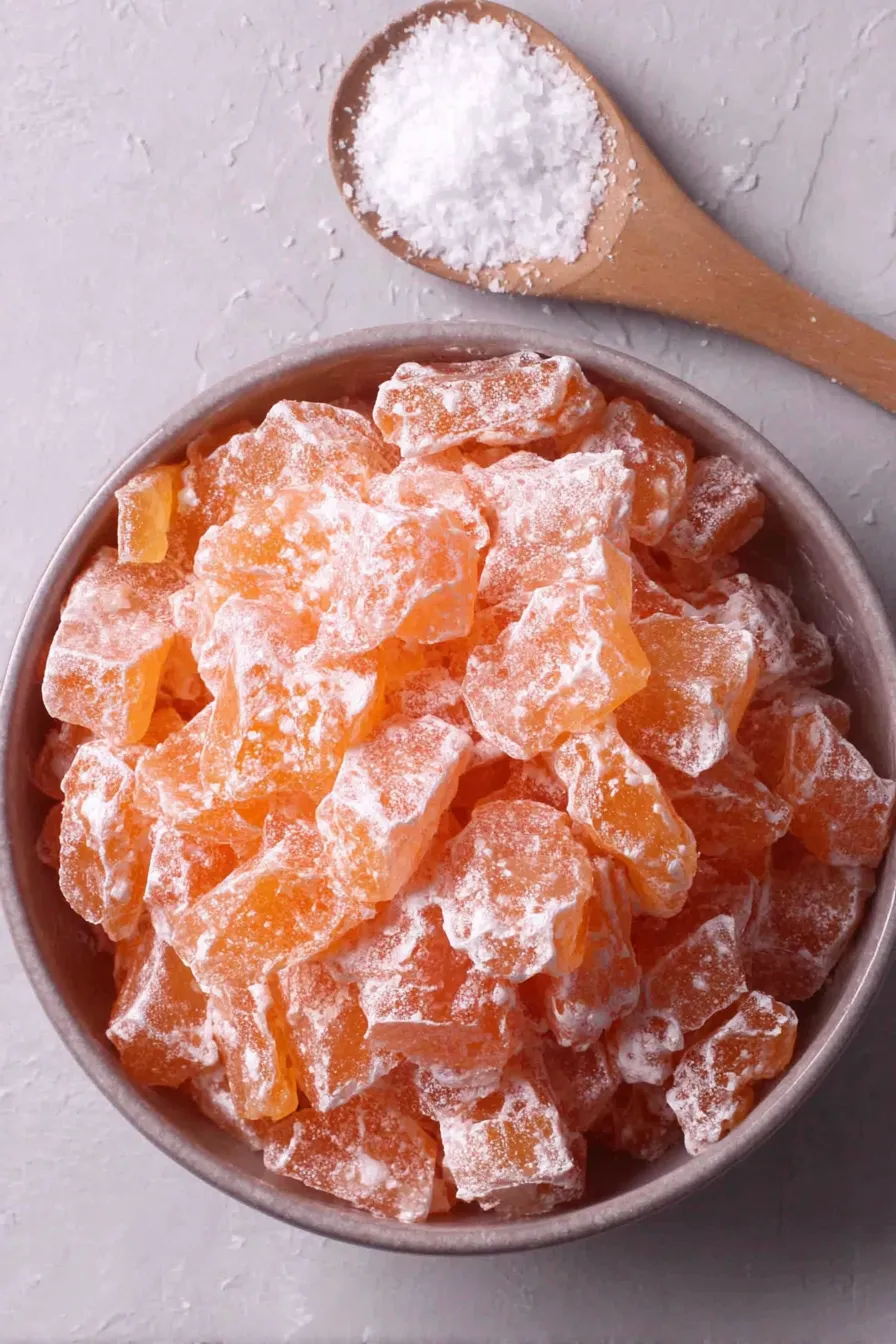
Store finished pieces in an airtight container layered with parchment or wax paper to avoid sticking. Keep the container in a cool, dry place away from sunlight—humidity is the enemy and will cause candies to become tacky. Properly stored, they remain enjoyable for 2–4 weeks; beyond that they may lose shine and develop a softer texture. Do not refrigerate or freeze: cold storage introduces condensation during temperature changes which ruins the crisp snap.
If you don’t have light corn syrup, you can use glucose syrup (1:1 substitution) which preserves texture similarly; avoid honey or molasses because they alter flavor and setting temperature. For extracts, you can use essential oils designed for candy in very small quantities—start with 1/4 teaspoon and adjust, as oils are concentrated. Gel colors are fine but blend them into the extract first to prevent thickened spots in the syrup.
Serve these as small palate cleansers after a heavy meal, or package them in cello bags tied with ribbon for parties. They’re excellent when displayed in clear jars—group colors by hue for a vibrant, decorative candy board. Garnish gift tins with a strip of washi tape and a small label indicating the flavor. For gatherings, arrange mixed flavors on a small plate so guests can sample different notes.
Hard candy has a long history in Western confectionery, with simple sugar syrups crafted into clear candies for centuries. Traditional European and American recipes evolved as cooks learned to control temperature and crystallization, producing the familiar hard, glass-like sweets. These small, flavored pieces bring to mind old-fashioned candy shops and home kitchens where candy-making was an occasional but treasured activity.
For winter holidays, use peppermint or anise extract and tint pieces red and white for a festive look. In summer, bright citrus extracts and yellow/orange hues make lively treats for barbecues. For Halloween, dye batches deep orange and red and package with themed wrappers. Adjust flavor intensity slightly higher for larger pieces so the taste remains noticeable after the sugar coating.
Make this in small batches and keep extra confectioners’ sugar on hand to recoat any sticky pieces later. Prepare your pan and tools before heating the syrup because timing is crucial—the syrup must be poured while still fluid. If you plan to gift them, make them the day before distribution to allow full drying time and check for any tackiness before packaging.
Making these at home is a wonderful mix of precision and creativity: follow the temperature guidelines, work safely, and enjoy the process of turning humble pantry items into tiny luminous treats. Share them, gift them, and most of all, savor the simple pleasure of candy made by hand.
Use a reliable candy thermometer clipped to the saucepan to ensure you reach exactly 300°F for hard-crack texture.
Work with a prepped sugar-lined pan close to the stove so you can pour the syrup quickly and accurately.
Avoid stirring the syrup once it boils; cover briefly to dissolve crystals, then uncover to finish cooking.
This nourishing classic homemade hard candy recipe is sure to be a staple in your kitchen. Enjoy every moist, high protein slice — it is perfect for breakfast or as a wholesome snack any time.
This Classic Homemade Hard Candy recipe makes perfectly juicy, tender, and flavorful steak every time! Serve with potatoes and a side salad for an unforgettable dinner in under 30 minutes.
Fill a 15 x 10 x 1-inch pan with 5 to 6 cups confectioners’ sugar to a depth of 1/2 inch; use a wooden spoon handle to create a continuous curved indentation to serve as the mold.
In a large heavy saucepan combine 2 cups granulated sugar, 3/4 cup light corn syrup, and 1/2 cup water; place over medium heat and stir until sugar dissolves, then stop stirring.
When the mixture reaches a boil, cover and cook for 3 minutes without stirring to dissolve any undissolved sugar crystals; then remove the lid and continue cooking.
Uncover and increase heat to medium-high; cook without stirring until the candy thermometer registers 300°F (hard-crack stage), then remove from heat immediately.
Off the heat, stir in 1 to 2 teaspoons extract of choice and add a few drops of liquid food coloring if desired; mix gently to avoid air bubbles.
Pour the hot syrup into a heatproof glass measuring cup, then quickly pour it into the prepared groove in the confectioners’ sugar-lined pan.
Dust the poured candy with more confectioners’ sugar on top to prevent sticking; let cool completely at room temperature until firm, about 30–60 minutes.
Use scissors to cut into bite-sized pieces along the groove; toss lightly in confectioners’ sugar and store in a dry, airtight container at room temperature.
Last Step: Please leave a rating and comment letting us know how you liked this recipe! This helps our business to thrive and continue providing free, high-quality recipes for you.
Leave a comment & rating below or tag
@cravele on social media!
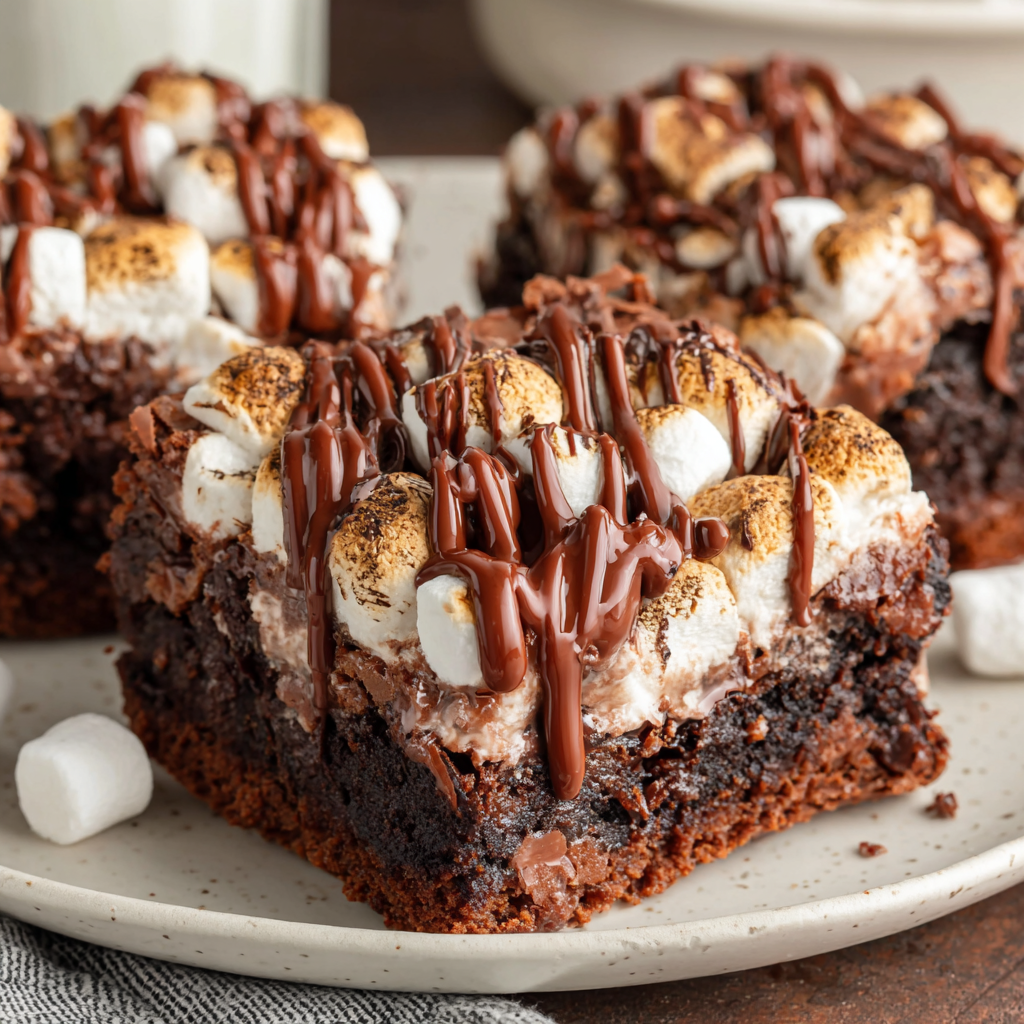
Ultra-fudgy brownies studded with chocolate chunks, crowned with gooey marshmallows and a quick cocoa icing for irresistible, crowd-pleasing decadence.
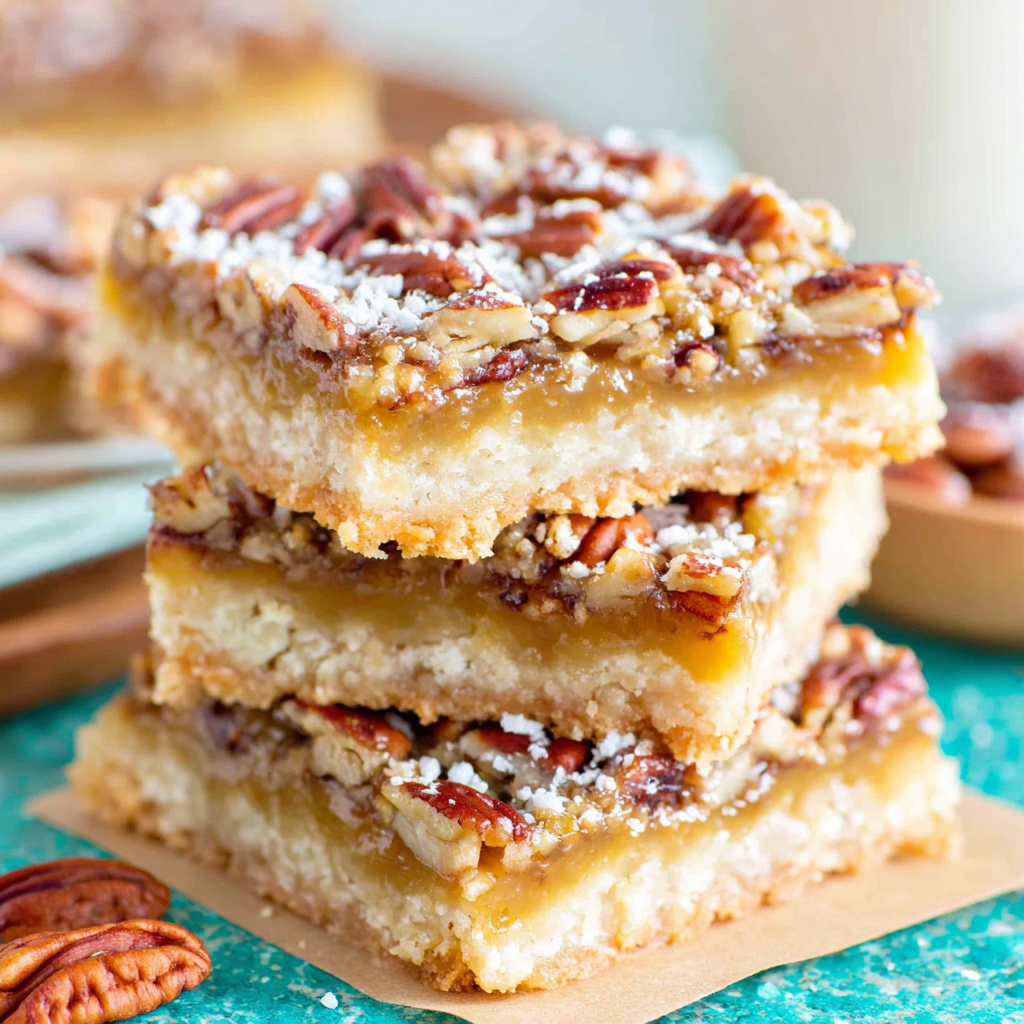
Buttery shortbread crust topped with a gooey brown sugar pecan filling. Easy, crunchy, and truly irresistible with just 10 minutes of prep.
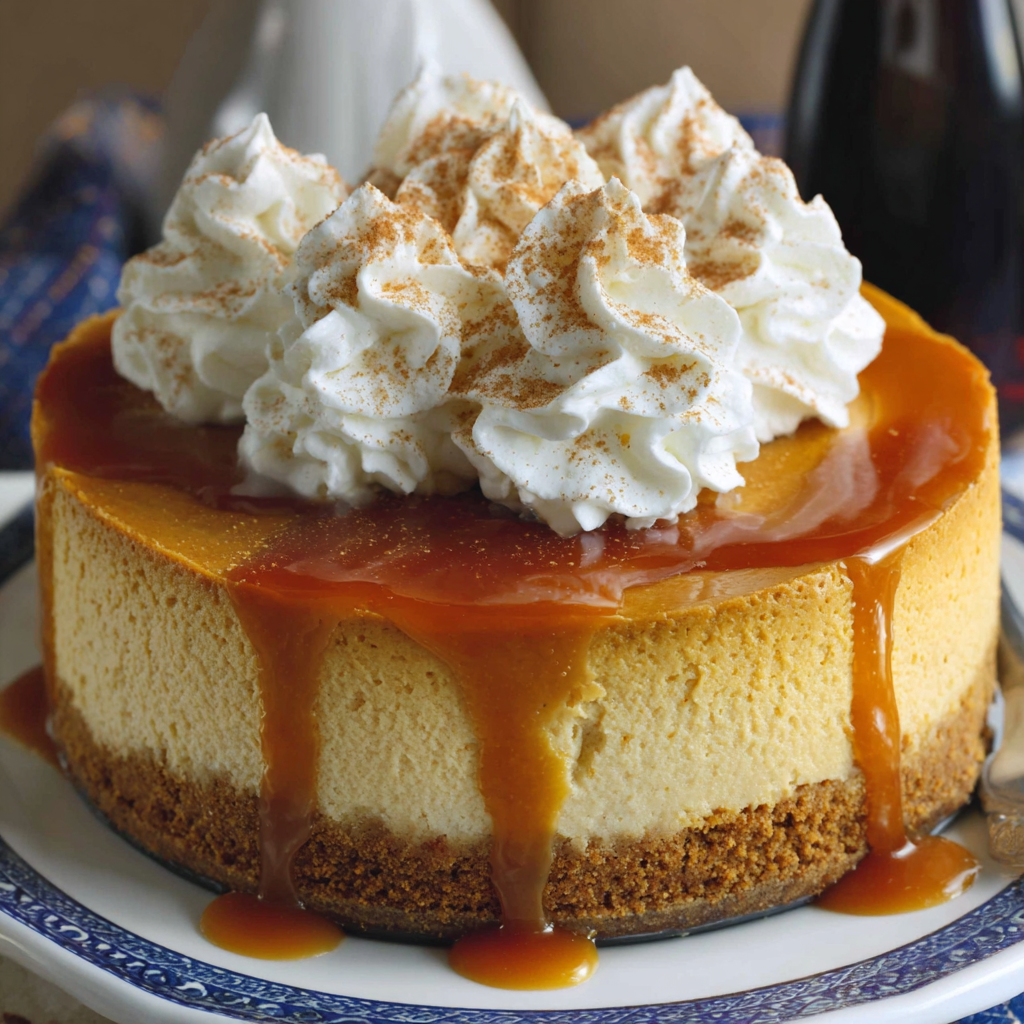
Silky pumpkin cheesecake with a spiced graham crust, no cracks, effortless mixing, and decadent caramel and rum whipped cream for unforgettable holiday celebrations.
Leave a comment & rating below or tag @cravele on social media!
Enjoyed this recipe? Share it with friends and family, and don't forget to leave a review!
This recipe looks amazing! Can't wait to try it.
Comments are stored locally in your browser. Server comments are displayed alongside your local comments.

Join to receive our email series which contains a round-up of some of our quick and easy family favorite recipes.