>>

A sweet and tangy glaze transforms tender Arctic char into an elegant weeknight or dinner-party fish with minimal fuss and maximum flavor.
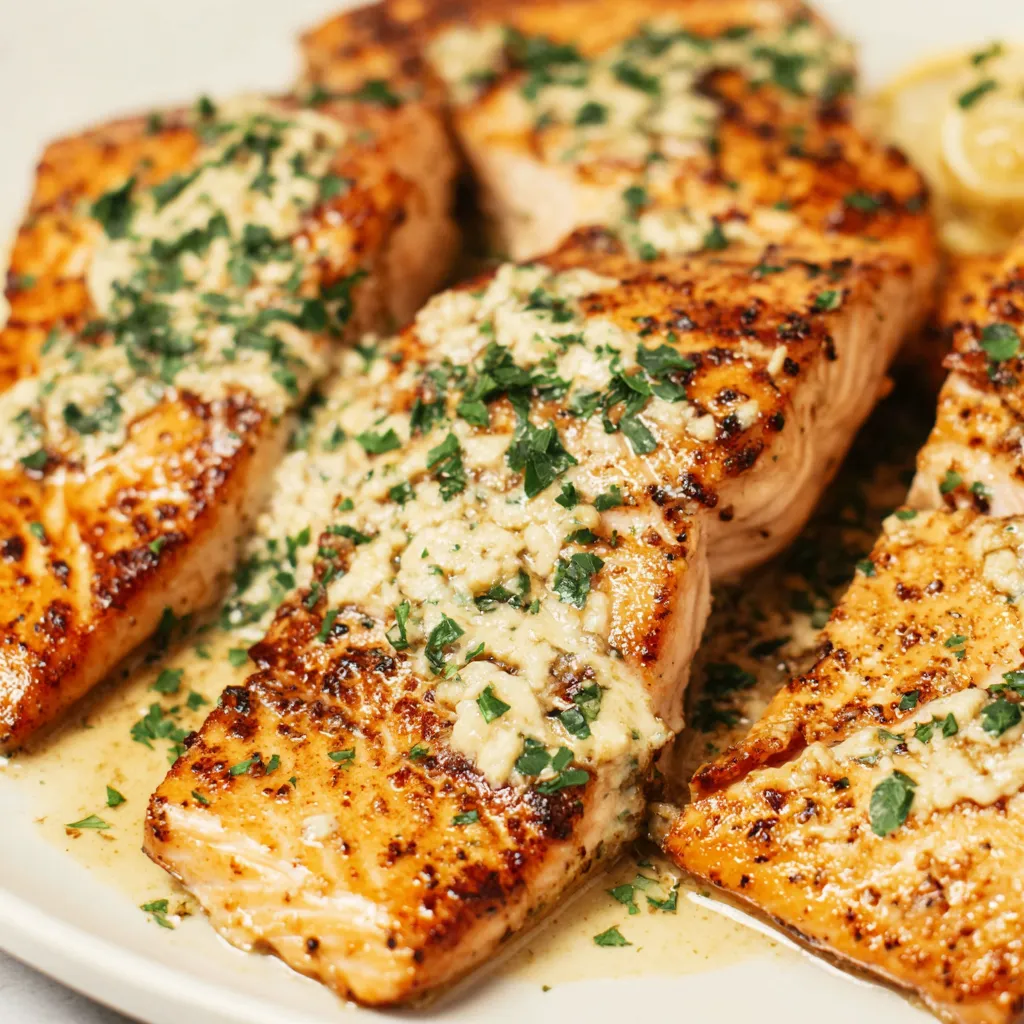
This Brown Sugar Dijon Arctic Char has been one of those surprisingly simple preparations that became a staple in my kitchen almost overnight. I first put this together on a rainy weeknight when I wanted something that felt a little special without a lot of effort. The combination of tangy Dijon and caramelized brown sugar creates a glossy top that complements the naturally rich, buttery texture of Arctic char. It hits the sweet and savory balance in a way that makes the fish feel more decadent than the handful of pantry ingredients would suggest.
I remember the first time I served it to family friends who expected a plain roasted fillet. When we pulled it from the oven the house smelled like a bright, citrus-scented glaze and everyone immediately reached for a piece. The fish flakes tenderly and the glaze gives small, caramelized pockets of sweetness that contrast with a clean squeeze of lemon. Because the method is fast and forgiving this has become my go-to for both busy weeknights and small dinner gatherings when I want to spend time with guests rather than the stove.
In my experience this dish consistently draws compliments. Guests often ask for the recipe and the leftovers heat beautifully the next day. The glaze introduced here is a small technique that rewards you with dinner that looks and tastes like you spent far more time on it than you actually did.
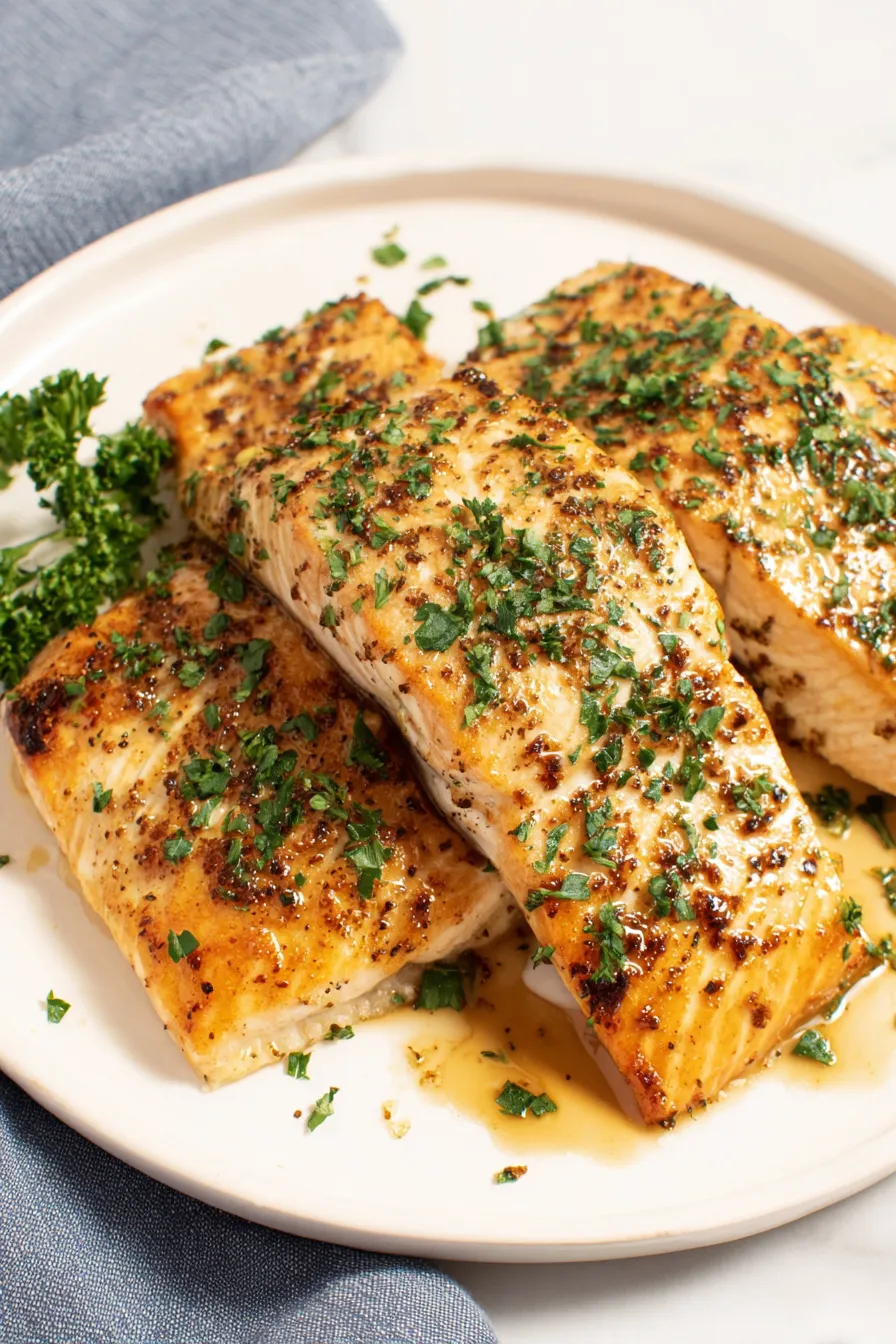
My favorite part of this dish is the simple transformation that happens in the oven. The brown sugar melts and creates tiny pockets of concentrated sweetness which contrast with the mustard and lemon. Family and friends usually comment on how special and effortless the dinner feels. The method taught me that a small glaze can elevate a humble fillet into something celebratory without complicated steps.
Store any leftover fillets in an airtight container in the refrigerator for up to two days. For best texture place fillets on a flat plate and cover loosely with plastic wrap to avoid forcing the glaze into the flesh. Reheat in a 300F oven for five to seven minutes to warm through without overcooking. Do not microwave if you care about texture because it tends to make the fish rubbery. If you want to store components separately, keep unglazed cooked fillets and the remaining glaze in separate containers for slightly better reheating results.
If Arctic char is not available try 6 ounce fillets of salmon, steelhead, or trout which have similar fat content and hold up to the glaze. Swap light brown sugar for coconut sugar for a lower glycemic index option but expect a slightly different caramel note. If you are avoiding mustard use whole grain mustard for texture or a tablespoon white wine vinegar plus half teaspoon honey for tang. To reduce sugar by about half add a teaspoon of maple syrup with half the brown sugar and increase lemon to maintain brightness.
This fillet pairs beautifully with simple sides that absorb the glaze like buttery mashed potatoes or roasted baby potatoes with parsley. For a lighter meal serve over a bed of lemony arugula or mixed greens and finish with a drizzle of extra virgin olive oil. Steamed asparagus, sautéed green beans, or a quinoa pilaf are seasonal vegetable companions that provide textural contrast. Garnish with lemon wedges and a scattering of chopped parsley to lift the presentation.
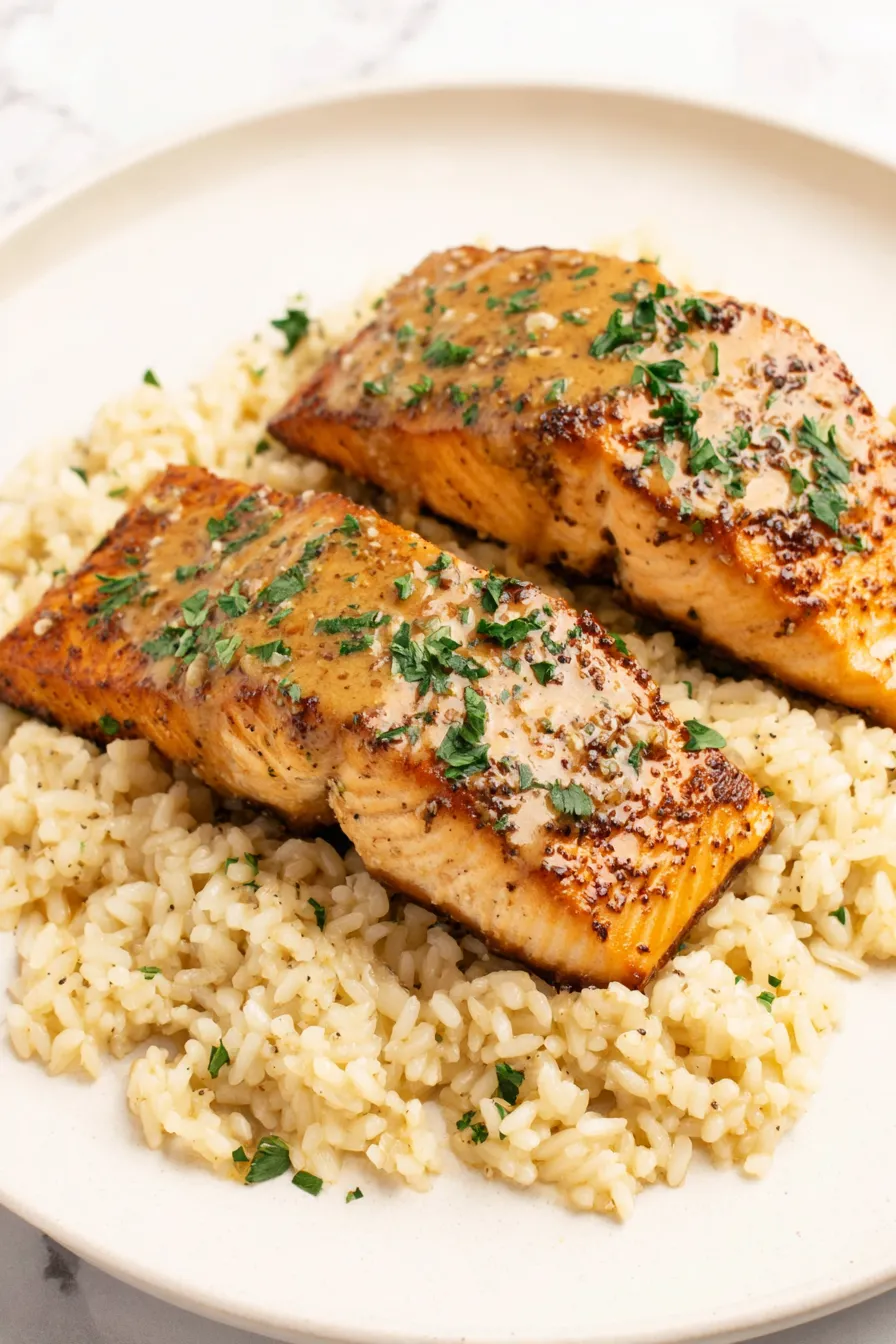
The simple glaze technique combining mustard and sweetener has roots in many coastal cuisines where acidic and sweet notes balance rich fish. In American home cooking this kind of glaze is popular for quick oven-finished fish because it requires little hands-on time and produces visually appealing results. Arctic char itself is celebrated in northern Pacific cuisine for its delicate, slightly sweet flavor and is prized as a sustainable alternative to salmon in certain fisheries.
In spring add a squeeze of fresh Meyer lemon for floral citrus notes and serve with spring vegetables such as peas or ramps. In summer fold in finely grated orange zest into the glaze and serve with grilled seasonal corn. In cooler months use dark brown sugar and finish with a scattering of toasted walnuts for warmth and depth. Small changes to the glaze ingredients shift the dish across seasons while keeping the same quick technique.
To streamline weekday dinners prepare the glaze in a small jar and refrigerate it for up to 24 hours. Trim and pat fillets and store them on a sheet tray in the fridge covered loosely with plastic wrap, then assemble and bake when ready. Portion cooked fillets into shallow containers for meal prep plates and store with a side of roasted vegetables. Reheat gently in a low oven or enjoy chilled on salads for quick lunches.
These simple steps and small adjustments will help you make Brown Sugar Dijon Arctic Char part of a regular rotation whether for busy nights or relaxed entertaining. The method is forgiving, fast, and reliably delicious which is why it remains a favorite in my kitchen and among friends who request it again and again.
Pat the fillets completely dry before glazing so the glaze adheres rather than slipping off.
Start checking for doneness at 10 minutes for fillets about one half inch thick to prevent overcooking.
Whisk the glaze until glossy so the sugar begins to dissolve which helps create an even caramelized surface.
If you prefer less sweetness reduce brown sugar by half and add a touch more lemon to keep balance.
This nourishing brown sugar dijon arctic char recipe is sure to be a staple in your kitchen. Enjoy every moist, high protein slice — it is perfect for breakfast or as a wholesome snack any time.
This Brown Sugar Dijon Arctic Char recipe makes perfectly juicy, tender, and flavorful steak every time! Serve with potatoes and a side salad for an unforgettable dinner in under 30 minutes.
Preheat oven to 400F and position the rack in the top third. Line a baking sheet with foil and spray or oil lightly. Pat fish dry with paper towels and place skin side down on the sheet.
Whisk Dijon mustard, brown sugar, lemon juice, garlic powder, salt and pepper in a small bowl until glossy and the sugar begins to dissolve.
Spread the mustard mixture evenly over the top of each fillet using a spoon or offset spatula. Apply a thin layer to encourage even caramelization.
Bake uncovered for 10 to 15 minutes depending on thickness. Check at 10 minutes for fillets about one half inch thick. Fish is done when it flakes easily with a fork and glaze is shiny.
Let rest two minutes, sprinkle with chopped parsley and season with extra salt and pepper if desired. Slide off skin when serving if you prefer.
Last Step: Please leave a rating and comment letting us know how you liked this recipe! This helps our business to thrive and continue providing free, high-quality recipes for you.
Leave a comment & rating below or tag
@cravele on social media!
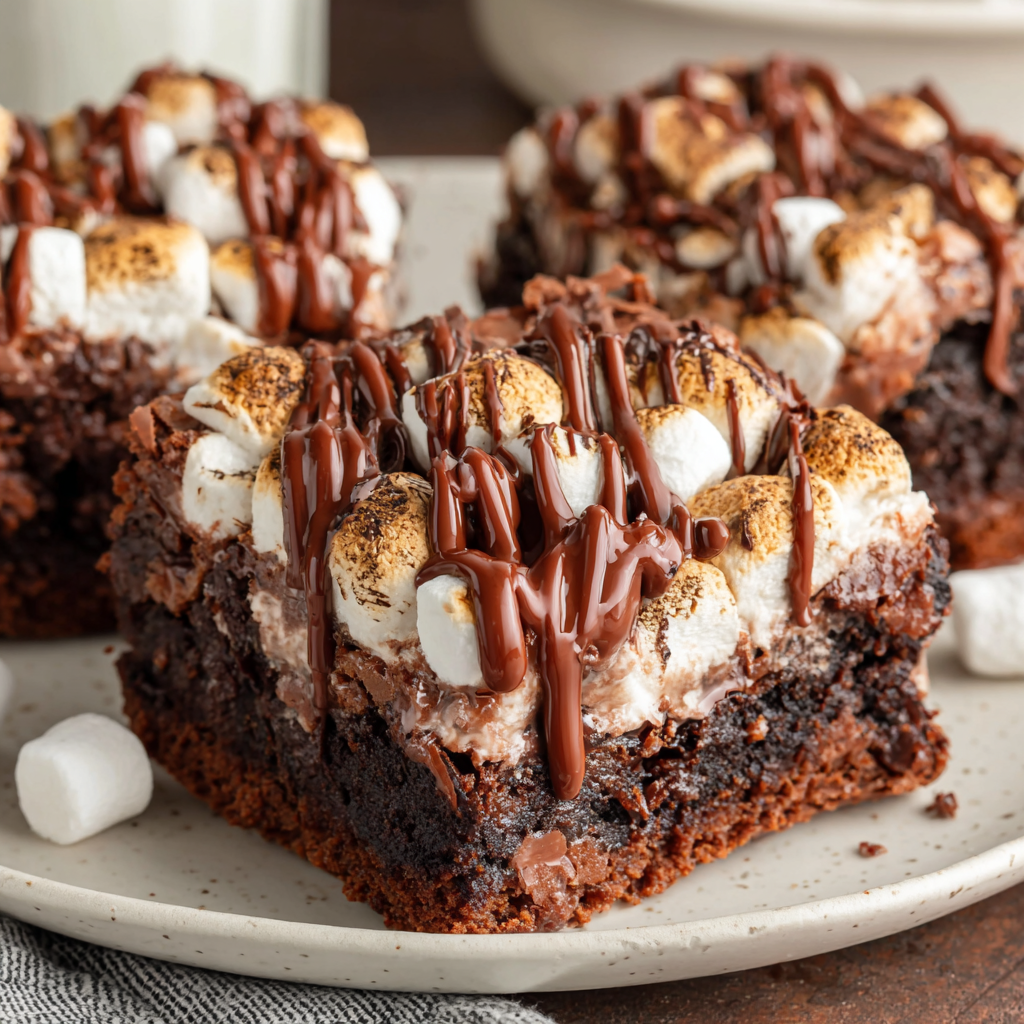
Ultra-fudgy brownies studded with chocolate chunks, crowned with gooey marshmallows and a quick cocoa icing for irresistible, crowd-pleasing decadence.
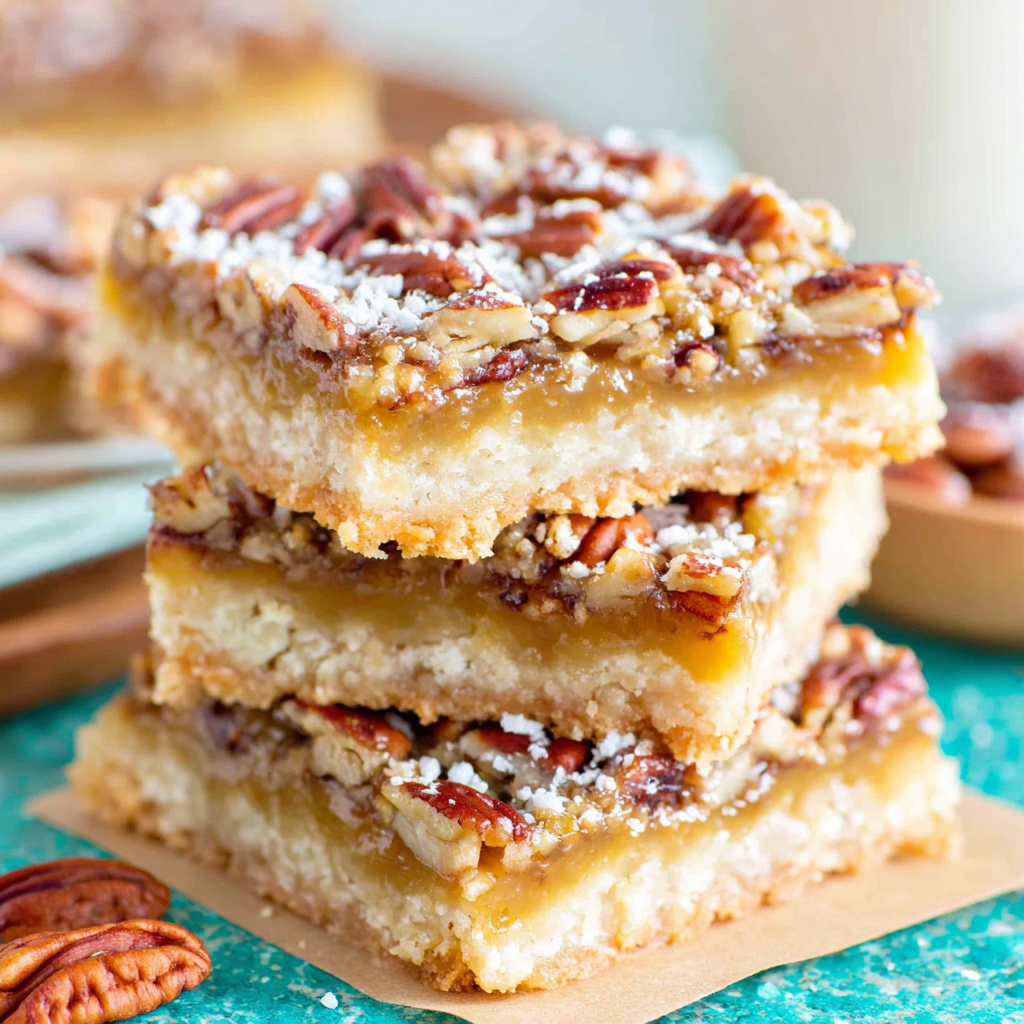
Buttery shortbread crust topped with a gooey brown sugar pecan filling. Easy, crunchy, and truly irresistible with just 10 minutes of prep.
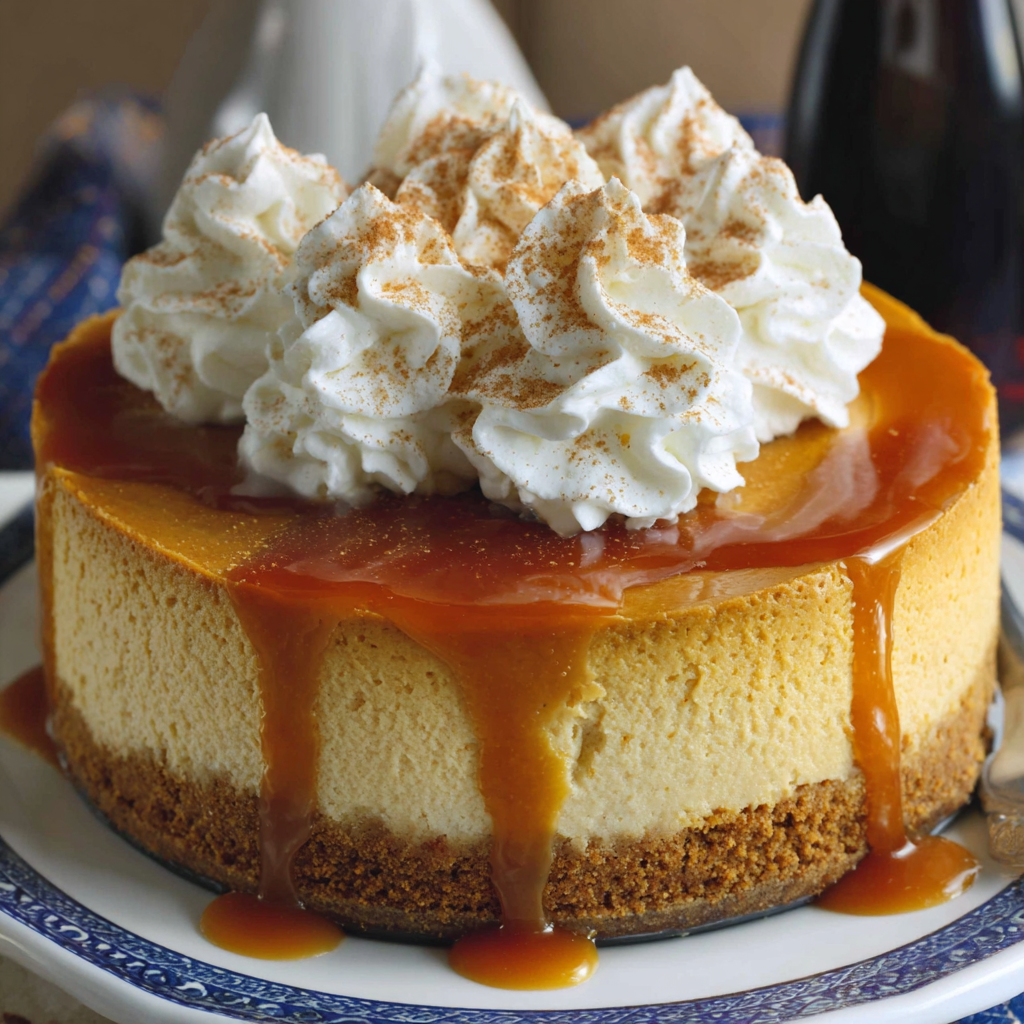
Silky pumpkin cheesecake with a spiced graham crust, no cracks, effortless mixing, and decadent caramel and rum whipped cream for unforgettable holiday celebrations.
Leave a comment & rating below or tag @cravele on social media!
Enjoyed this recipe? Share it with friends and family, and don't forget to leave a review!
This recipe looks amazing! Can't wait to try it.
Comments are stored locally in your browser. Server comments are displayed alongside your local comments.

Join to receive our email series which contains a round-up of some of our quick and easy family favorite recipes.