>>

Hearty, smoky, and deeply satisfying, this plant-based chili blends tender beans, fresh tomatoes and warming spices for an everyday family favorite.
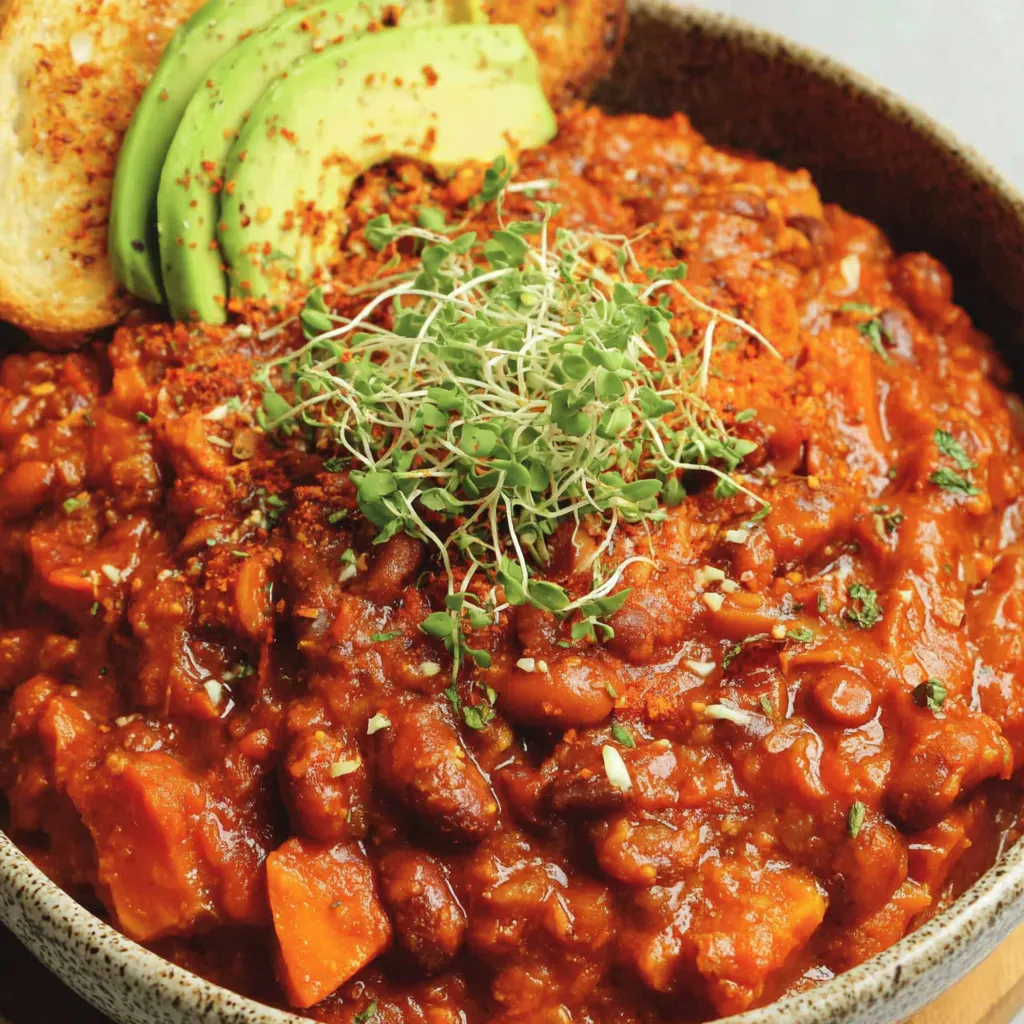
This vegan chili has been on heavy rotation in my kitchen for years and it feels like the coziest hug on a plate. I discovered this particular blend during a chilly weekend when I wanted something bold, nourishing and easy to scale for friends. What makes it special is the balance of bright tomatoes, a hint of smoke and the silky body you get when part of the pot is blended and returned. It is the kind of dish that makes everyone at the table scoop another spoonful and saves perfectly for leftovers.
I first tested this version using a variety of beans and stubbornly tweaked the seasoning until my partner declared it the best pot of chili they had ever had. Texture is a big part of the appeal here: whole beans give bite while the blended portion creates a thick, stew-like base that clings to rice, potatoes or a warm piece of flatbread. It’s bright from fresh tomatoes, gently sweet from a touch of coconut sugar, and quietly smoky from smoked paprika. If you are serving a crowd, this recipe scales beautifully and stays rewarding as leftovers.
When I bring this pot out at gatherings, people often ask for the recipe. My family remembers the first time we served it on a rain-soaked night when guests stayed past dinner because the bowl was too good to set down. That memory keeps me coming back to this base method whenever I need food that comforts and feeds a crowd.

My favorite part is how flexible this method is. The first time I made it for a potluck I was nervous about pleasing a varied crowd, but it quickly disappeared. Leftovers taste even better the next day as spices meld and beans absorb sauce. That slow flavor development is why I often double the recipe and freeze portions for busy nights.
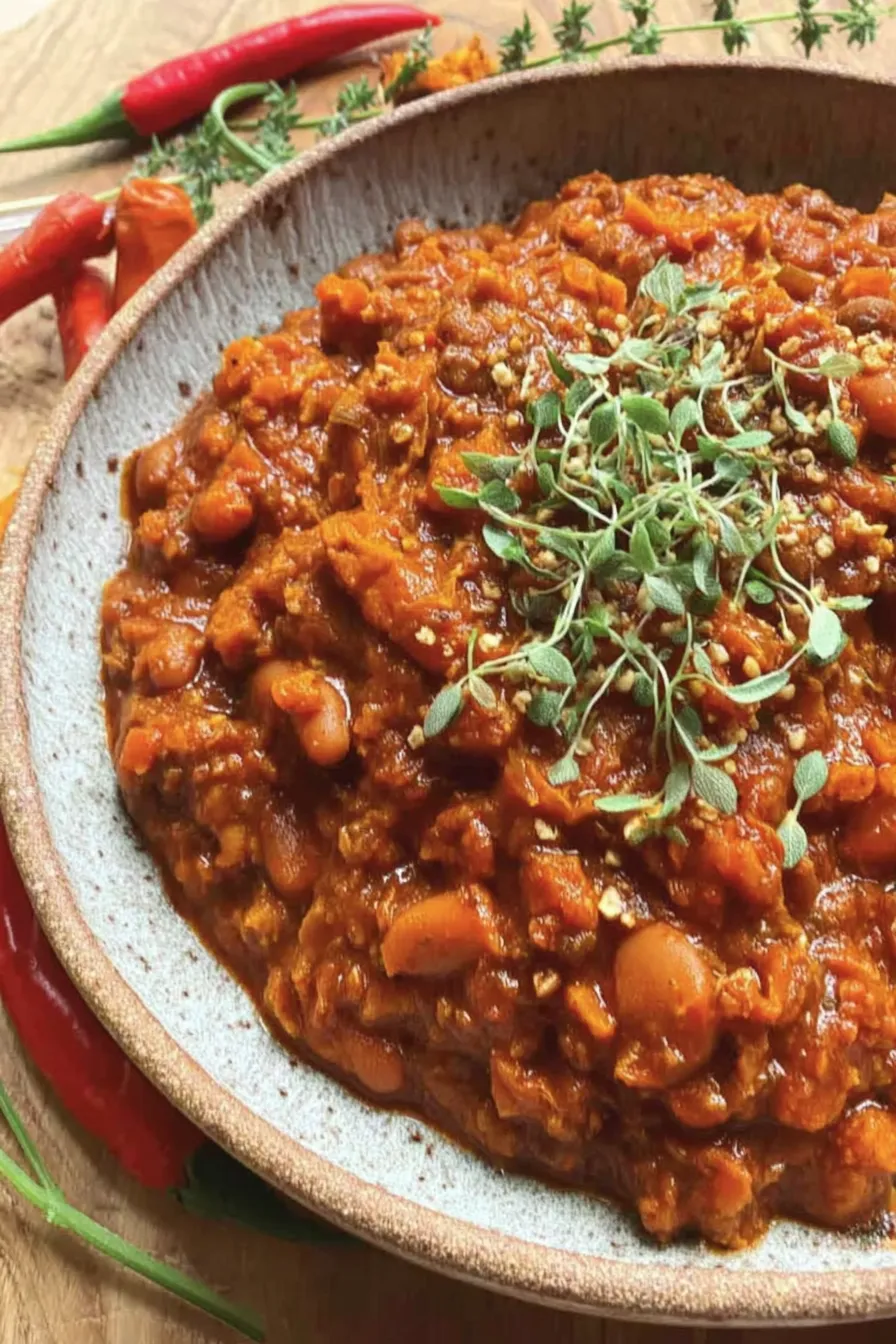
Cool the chili to room temperature before refrigerating. Store in an airtight container in the refrigerator for up to 4 days. For longer storage, portion into freezer-safe containers or heavy-duty freezer bags and freeze for up to 3 months. Thaw overnight in the refrigerator and warm gently on the stove over low heat with a splash of water or broth to loosen the sauce. Reheating in a covered saucepan prevents drying and concentrates flavors evenly.
If you lack fresh tomatoes, substitute one 20 ounce can of crushed or diced tomatoes plus 2 tablespoons of water and reduce simmer time slightly. Swap any beans you have on hand for the mixed-bean approach listed; canned beans are fine but rinse to remove excess sodium. For a smokier note, add 1/2 teaspoon chipotle powder or swap smoked paprika for regular paprika plus a splash of liquid smoke. Use maple syrup instead of coconut sugar for a vegan-friendly sweetener with a milder flavor.
Serve the chili over steamed rice for a classic pairing, or spoon it over baked potatoes for a weeknight dinner twist. It also makes a terrific topping for pasta, creating a hearty, vegetarian bolognese-style plate. Garnish with chopped cilantro, scallions or a dollop of tangy cashew cream for creaminess. Provide warm flatbread, crusty sourdough or simple cornbread on the side for soaking up the sauce.
Chili has roots in southwestern cuisine, particularly Tex-Mex foodways that blend Indigenous, Mexican and frontier influences. This version leans on those traditions—smoky spices and tomatoes—while replacing meat with beans and vegetable accompaniments, which is consistent with many regional bean-based stews. The technique of blending part of a stew to thicken it is common across many cuisines and helps create a cohesive texture without additional fats.
In summer, use peak-ripe fresh tomatoes and char them briefly under the broiler for depth. In winter, rely on canned tomatoes and boost aromatics with a spoonful of miso for umami if tomatoes are less vibrant. Swap bell pepper for roasted poblano in autumn for a deeper, smokier flavor. For holidays, dress up bowls with roasted root vegetables or top with pickled red onions to brighten the plate.
Make a double batch and portion into single-serving containers for grab-and-go lunches. Keep a separate container of rice and fresh garnishes so the bowl doesn’t get soggy. When reheating, add a splash of water or broth and warm slowly to preserve bean texture. Use freezer-safe silicone containers to save space and reduce waste.
This recipe is simple, flexible and soulful. It proves that plant-based cooking can be both easy and deeply satisfying. Invite friends, share a bowl and don’t be surprised when everyone asks for the recipe.
Toast whole cumin seeds or ground cumin briefly in the pot before adding wet ingredients to amplify aroma.
Reserve a portion of the chili to blend and return to the pot for a thick, creamy texture without dairy.
If using canned tomatoes, choose a high-quality brand and drain off excess liquid if the chili becomes too soupy.
Adjust heat by controlling the amount of cayenne and the number of fresh chilies; remove seeds for milder heat.
Add a teaspoon of maple syrup or coconut sugar late in cooking to balance acidity without noticeable sweetness.
This nourishing the best vegan chili recipe is sure to be a staple in your kitchen. Enjoy every moist, high protein slice — it is perfect for breakfast or as a wholesome snack any time.
Yes. Use canned beans drained and rinsed; 2 to 3 standard 15 ounce cans will equal about 4 cups cooked beans.
Freeze cooled chili in airtight containers for up to 3 months. Thaw overnight in the fridge before reheating.
A squeeze of lime or a teaspoon of apple cider vinegar will brighten a flat-tasting chili. Adjust salt last.
This The Best Vegan Chili recipe makes perfectly juicy, tender, and flavorful steak every time! Serve with potatoes and a side salad for an unforgettable dinner in under 30 minutes.
Heat 2 teaspoons oil in a large pot over medium heat. Add chopped onion and green pepper and sauté until softened, about 5 minutes. Add minced garlic and cook 1 to 2 minutes until fragrant, being careful not to burn the garlic.
Stir in diced tomatoes (or canned tomatoes) and grated carrot. Cook for 3 to 5 minutes to break down tomatoes and combine flavors.
Mix in tomato paste, coconut sugar and all dry spices including cumin, onion powder, garlic powder, smoked paprika, cayenne, salt and pepper. Cook for 30 to 60 seconds to bloom the spices.
Add 2 cups water or vegetable broth and 4 cups cooked beans. Bring to a simmer, then reduce heat and cook uncovered for about 30 minutes, stirring occasionally. Add liquid if it becomes too thick.
Ladle 1 to 1 1/2 cups of chili into a blender or use an immersion blender to purée until smooth. Return to the pot and stir to combine for a thicker, creamier sauce while keeping some whole beans.
Simmer another 5 to 10 minutes. Taste and adjust salt, heat and acidity. Serve hot over rice, potatoes or flatbread and garnish with cilantro or parsley.
Last Step: Please leave a rating and comment letting us know how you liked this recipe! This helps our business to thrive and continue providing free, high-quality recipes for you.
Leave a comment & rating below or tag
@cravele on social media!

Ultra-fudgy brownies studded with chocolate chunks, crowned with gooey marshmallows and a quick cocoa icing for irresistible, crowd-pleasing decadence.

Buttery shortbread crust topped with a gooey brown sugar pecan filling. Easy, crunchy, and truly irresistible with just 10 minutes of prep.

Silky pumpkin cheesecake with a spiced graham crust, no cracks, effortless mixing, and decadent caramel and rum whipped cream for unforgettable holiday celebrations.
Leave a comment & rating below or tag @cravele on social media!
Enjoyed this recipe? Share it with friends and family, and don't forget to leave a review!
This recipe looks amazing! Can't wait to try it.
Comments are stored locally in your browser. Server comments are displayed alongside your local comments.

Join to receive our email series which contains a round-up of some of our quick and easy family favorite recipes.